
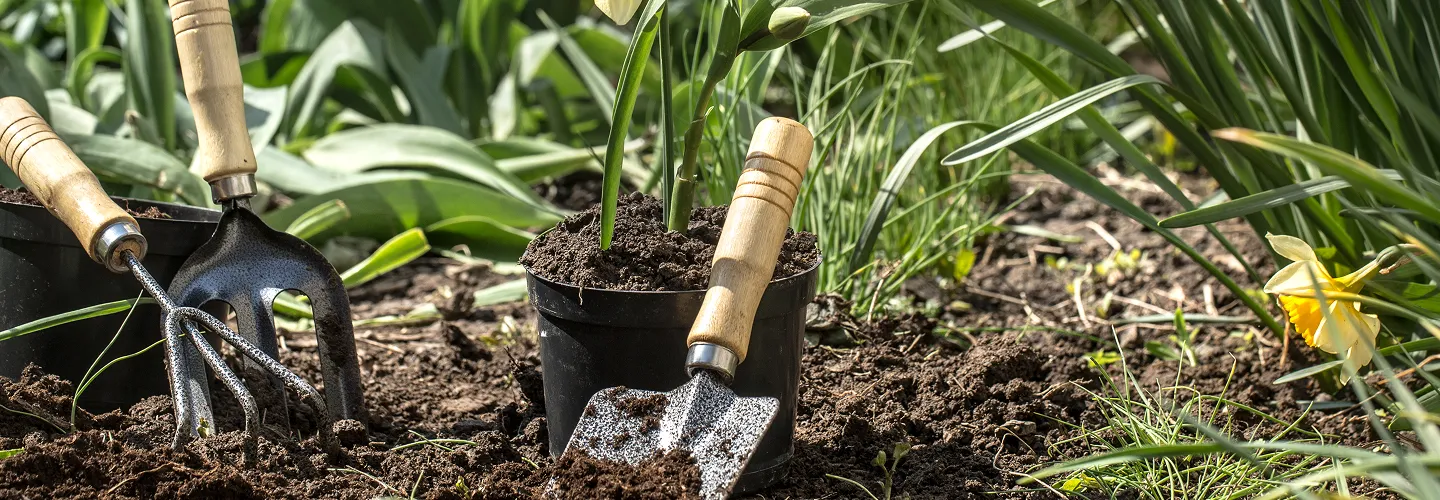
Paradise Valley Village Flower Bed Maintenance Services
Choose our Flower Bed Maintenance for expert care, vibrant blooms, and a hassle-free experience that keeps your garden looking its best season after season.
Get a Free QuoteOur Paradise Valley Village Landscaping & Yard Care Services
When to Schedule Flower Bed Maintenance in Paradise Valley Village, Arizona – Seasonal Guide
In Paradise Valley Village, Arizona, the timing of flower bed maintenance is crucial for ensuring vibrant, healthy landscapes throughout the year. The area’s unique climate—characterized by hot, dry summers and mild winters—means that the best periods for maintenance are typically early spring and late fall. These windows allow for planting, pruning, and soil amendment before the intense summer heat or after the risk of frost has passed. Local neighborhoods such as Shadow Mountain and the vicinity of Paradise Valley Park often experience microclimates, with varying shade coverage and soil types that can influence the ideal maintenance schedule.
Environmental factors like the average last frost date in late February, the potential for summer drought, and the alkaline, sandy soils common in the region all play a role in determining when to schedule services. Homeowners near Lookout Mountain or along the Arizona Canal should also consider municipal watering restrictions and the impact of mature tree canopies on sunlight and moisture levels. For more information on local regulations and resources, visit the official municipal website.
Local Factors to Consider for Flower Bed Maintenance in Paradise Valley Village
- Tree density and shade coverage, especially in established neighborhoods
- Soil composition (sandy, alkaline soils are common)
- Seasonal precipitation patterns and drought risk
- Proximity to landmarks like Paradise Valley Park or the Arizona Canal
- Municipal watering schedules and restrictions
- Terrain variations, including slopes and drainage patterns
Benefits of Flower Bed Maintenance in Paradise Valley Village
Enhanced Curb Appeal
Weed and Pest Prevention
Healthier Plant Growth
Seasonal Color Optimization
Professional Landscape Expertise
Time and Effort Savings
Types
Our Flower Bed Maintenance Process
Site Evaluation
Weed Removal
Soil Preparation
Plant Care
Mulching
Why Choose Paradise Valley Village Landscape Services

Paradise Valley Village Homeowners Trust Us
-
Expert Lawn Maintenance
-
Reliable Irrigation Solutions
-
Comprehensive Weed Control
-
Competitive Pricing
-
Professional Team
-
Satisfaction Guarantee
Coordinating Flower Bed Maintenance with Paradise Valley Village's Municipal Programs
Paradise Valley Village is an urban village within the City of Phoenix, and all flower bed maintenance activities on residential and commercial properties fall under Phoenix's municipal framework. Property owners and managers should coordinate green waste disposal—such as spent annuals, pruned perennials, and removed mulch—through the city's bulk trash and green waste collection procedures administered by the Public Works Department. Organic bed debris must not be swept or blown into street gutters, curb inlets, or nearby drainage channels, as this material can obstruct stormwater infrastructure during monsoon events. For properties adjacent to public rights-of-way, flower bed edges and plantings must remain clear of sidewalks and sight-visibility triangles as defined by city code. Residents should verify current bulk collection schedules and accepted materials directly with the department.
Phoenix Public Works Department
Official Website: Phoenix Public Works Department
The Phoenix Parks & Recreation Department also maintains standards for public-facing landscape areas and can provide guidance on plant species appropriate to municipal streetscape and parkway contexts within the village.
How Paradise Valley Village's Desert Heat and Alkaline Soils Affect Flower Beds
Paradise Valley Village sits in the Phoenix metro low desert, classified within USDA Hardiness Zone 10a, where summer temperatures routinely exceed 110°F and annual rainfall averages under eight inches. These conditions impose specific demands on flower bed maintenance:
- Extreme radiant heat: South- and west-facing beds adjacent to block walls, concrete driveways, or decomposed granite surfaces experience amplified temperatures that accelerate moisture loss and stress flowering plants.
- Alkaline, calcareous soils: Native soils across much of the village tend toward pH levels of 7.5–8.5, with calcium carbonate accumulation that can bind iron and other micronutrients, leading to chlorosis in non-adapted species.
- Caliche layers: Subsurface caliche restricts root penetration and drainage, causing water to pool around emitters or sheet-flow across bed surfaces during heavy irrigation or monsoon rain.
- Monsoon runoff: July through September storms deliver intense, short-duration rainfall that can wash mulch out of beds, erode amended soil, and carry sediment into retention basins and storm drains.
- Irrigation dependence: Flower beds in this region rely almost entirely on drip irrigation, making emitter placement, flow rate, and scheduling critical to plant survival and water conservation as outlined by the Arizona Department of Water Resources.
Navigating Paradise Valley Village's Regulatory Requirements for Flower Bed Care
Flower bed maintenance in Paradise Valley Village must align with several layers of city and state regulation. While routine deadheading, weeding, and mulch replenishment generally do not require permits, property owners should be aware of the following compliance areas:
- Stormwater protection: Under the City of Phoenix's Phase II MS4 permit, sediment, organic debris, and chemical runoff from landscape beds must not enter the municipal storm sewer system. The Arizona DEQ stormwater program and the federal Clean Water Act establish the regulatory framework for these protections.
- Pesticide and herbicide licensing: Any commercial application of herbicides or insecticides within flower beds requires proper licensing through the Arizona Department of Agriculture – Office of Pest Management. Property owners hiring contractors should confirm that applicators hold current Arizona certification.
- Noxious weed management: Beds that harbor species listed on the Arizona noxious weed list must be managed to prevent spread, particularly buffelgrass and fountain grass in desert-edge locations.
- Water use compliance: Irrigation schedules for flower beds may be subject to drought-stage restrictions or utility-specific watering windows; verify current requirements with Phoenix Water Services.
Phoenix Water Services Department
Official Website: Phoenix Water Services Department
Phoenix Office of Environmental Programs
Official Website: Phoenix Office of Environmental Programs
Timing Flower Bed Maintenance Around Paradise Valley Village's Seasonal Cycles
Professional flower bed maintenance in the low desert follows a seasonal rhythm dictated by heat, monsoon moisture, and brief frost windows. Adhering to proper timing protects plant health and reduces resource waste:
- Fall planting window (October–November): Cool-season annuals such as petunias, snapdragons, and pansies are installed after nighttime temperatures consistently drop below 75°F. Soil in beds should be amended with sulfur or iron chelate if chlorosis has been observed.
- Winter maintenance (December–February): Deadheading spent blooms, inspecting drip emitters for mineral clogging, and replenishing organic or rock mulch to a depth of roughly two to three inches to insulate root zones during occasional frost events.
- Spring transition (March–April): Remove cool-season annuals before heat stress sets in. Prepare beds for warm-season species such as vinca, lantana, or desert marigold. Adjust irrigation run times upward as evapotranspiration rates climb.
- Pre-monsoon preparation (June): Secure mulch with edging or borders to prevent washout. Clear bed drainage paths so monsoon runoff flows away from foundations and toward designated retention areas rather than neighboring properties or storm inlets.
- Monsoon and summer period (July–September): Weed flushes following rain events require prompt removal before seed set. Inspect beds for erosion channels and emitter displacement caused by storm intensity.
What Neighborhoods Do We Serve Throughout Paradise Valley Village, AZ?
- Tatum Ranch – Large residential lots with extensive desert-style flower beds often bordered by decomposed granite; drip irrigation systems require regular emitter audits due to mineral-heavy water.
- Desert Ridge – Master-planned community with HOA-governed landscape standards that frequently specify approved plant palettes and mulch types for front-yard flower beds.
- Aviano – Properties near the Sonoran Desert preserve edge face increased weed pressure from native seed dispersal and benefit from consistent pre-emergent applications in maintained beds.
- Fireside at Desert Ridge – Newer subdivision fill soils may compact quickly, requiring periodic bed soil loosening to maintain adequate drainage around emitter zones.
- Cashman Park area – Established residential streets with mature shade trees that create mixed-exposure conditions, allowing a broader range of flowering species in partially shaded beds.
- Paradise Valley Village core – Older residential parcels often feature legacy flood-irrigated beds that may benefit from conversion to drip systems for improved water efficiency and weed suppression.