
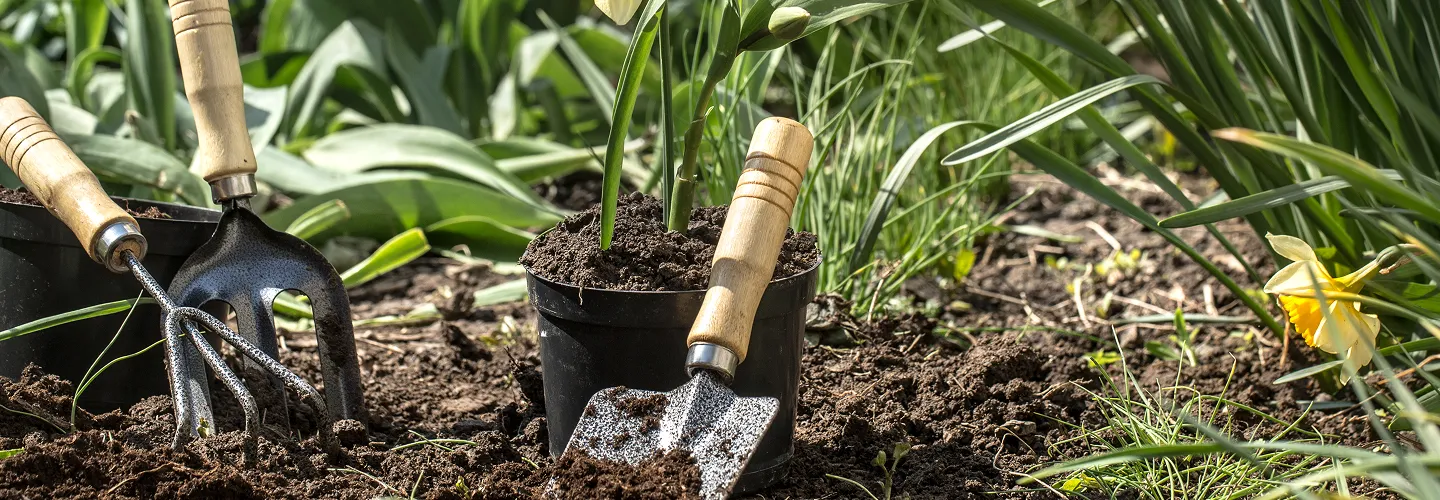
Paradise Valley Village Plant Removal Services
Choose our plant removal services for safe, thorough, and environmentally responsible solutions that restore your landscape’s beauty while saving you time and effort.
Get a Free QuoteOur Paradise Valley Village Landscaping & Yard Care Services
When to Schedule Plant Removal in Paradise Valley Village, Arizona – Seasonal Guide
In Paradise Valley Village, Arizona, timing your plant removal is crucial for both the health of your landscape and compliance with local guidelines. The region’s unique Sonoran Desert climate means that late fall through early spring is generally the best window for plant removal. During these months, temperatures are milder, and the risk of heat stress on remaining vegetation is minimized. Additionally, scheduling work before the last frost date—typically in late February—can help prevent damage to surrounding plants and soil structure.
Local neighborhoods such as Shadow Mountain and areas near the Paradise Valley Mall often experience microclimates influenced by shade coverage from mature trees and proximity to the Phoenix Mountain Preserve. These factors, along with soil composition and periodic drought conditions, play a significant role in determining the optimal time for removal. For more information on local environmental guidelines, visit the Town of Sudbury’s resource page.
Local Factors to Consider for Plant Removal in Paradise Valley Village
- Tree density and shade coverage, especially near the Phoenix Mountain Preserve
- Soil type and drainage, which can vary between neighborhoods
- Seasonal precipitation patterns and drought risk
- Municipal restrictions and permit requirements
- Terrain and accessibility for equipment
- Proximity to residential areas and local landmarks
Benefits of Plant Removal in Paradise Valley Village
Expert Landscaping Services
Efficient Plant Removal
Improved Curb Appeal
Eco-Friendly Disposal
Customized Solutions
Licensed and Insured Team
Paradise Valley Village Plant Removal Types

Tree Removal
-
Shrub Removal
-
Cactus Removal
-
Palm Tree Removal
-
Stump Grinding
-
Invasive Species Removal
-
Root Removal
Our Plant Removal Process
Site Evaluation
Preparation and Safety Measures
Plant Extraction
Debris Removal
Site Restoration
Why Choose Paradise Valley Village Landscape Services
-
Paradise Valley Village Homeowners Trust Us
-
Expert Lawn Maintenance
-
Reliable Irrigation Solutions
-
Comprehensive Weed Control
-
Competitive Pricing
-
Professional Team
-
Satisfaction Guarantee
Coordinating Plant Removal Disposal and Site Cleanup in Paradise Valley Village
Paradise Valley Village is a designated urban village within the City of Phoenix, and all plant removal activities fall under Phoenix municipal oversight for waste handling, site disturbance, and stormwater protection. When plants are removed from residential or commercial properties, the resulting organic debris must be managed according to city bulk collection and green waste guidelines. Property owners should verify current pickup schedules and container or bundling requirements through the Public Works Department before placing plant material curbside. For larger-scale removals—such as clearing overgrown oleander hedges, dead citrus trees, or invasive species—commercial hauling to an approved transfer station may be required. Keeping removed plant material, soil, and root fragments out of street gutters, curb inlets, and nearby drainage channels is essential to maintaining stormwater compliance under the city's Phase II MS4 program.
- Confirm bulk green waste collection rules and schedules before placing debris at the curb
- Bag or bundle loose plant material to prevent wind-blown scatter into washes or storm drains
- Arrange commercial hauling for large-volume removals that exceed residential pickup limits
- Notify the city if plant removal occurs within or adjacent to a public right-of-way
Phoenix Public Works Department
200 W. Washington St., Phoenix, AZ 85003
Official Website: Phoenix Public Works Department
How Paradise Valley Village's Desert Soils and Heat Shape Plant Removal
Paradise Valley Village sits in the low Sonoran Desert within USDA Hardiness Zone 10a, where extreme summer temperatures routinely exceed 110 °F and annual rainfall averages roughly seven to eight inches. These conditions directly affect how plant removal is planned and executed. Root systems in this region often extend laterally through alkaline sandy loam and decomposed granite, and many properties contain subsurface caliche layers that redirect root growth horizontally, complicating extraction. Irrigation-dependent landscapes—common throughout the village—may feature plants whose root zones have expanded well beyond the original drip emitter footprint, increasing the disturbance area during removal.
- Caliche hardpan can force roots into unexpected lateral paths, requiring careful excavation to avoid damaging adjacent irrigation lines or hardscape
- Alkaline soils (pH commonly above 7.5) may bind with decomposing root material, affecting replanting suitability without soil amendment
- Monsoon runoff between July and September can erode exposed soil left after plant removal, making immediate site stabilization critical
- Reflected heat from block walls, concrete driveways, and decomposed granite surfaces accelerates desiccation of exposed soil, increasing dust and erosion risk
Data from the USDA Web Soil Survey can help property owners and contractors identify the dominant soil series on a specific parcel before beginning removal work.
Navigating Paradise Valley Village's Regulatory Requirements for Plant Removal Projects
Plant removal in Paradise Valley Village must account for several layers of municipal and state regulation. The City of Phoenix enforces property maintenance standards that may require owners to remove dead, hazardous, or overgrown vegetation, while simultaneously restricting disturbance near designated washes, floodplains, and environmentally sensitive areas. Properties adjacent to natural open space or drainage corridors should confirm whether site-specific review is required through the Planning and Development Department before removing established vegetation that may serve an erosion-control function.
- Removal of plants within or near a mapped floodplain or wash may trigger review under the city's drainage and grading standards; verify requirements with the Phoenix City Engineer Department
- Any chemical treatment of stumps or root zones following removal must be performed by an applicator licensed through the Arizona Department of Agriculture under Arizona Revised Statutes Title 3
- Stormwater discharge rules under the Clean Water Act apply to sediment and debris generated during removal; loose soil and organic material must not enter the municipal storm sewer system
- Properties governed by HOA covenants should review landscape architectural guidelines before removing visible plantings, as replacement requirements may apply
Phoenix Office of Environmental Programs
200 W. Washington St., Phoenix, AZ 85003
Official Website: Phoenix Office of Environmental Programs
Arizona Department of Agriculture – Pest Management
1688 W. Adams St., Phoenix, AZ 85007
Official Website: Arizona Department of Agriculture - Office of Pest Management
Timing and Methods for Professional Plant Removal in Paradise Valley Village
Scheduling plant removal around Paradise Valley Village's seasonal extremes is essential for worker safety, site integrity, and successful post-removal stabilization. The optimal removal window generally falls between late October and early April, when daytime temperatures are manageable and monsoon storms are not expected. Removing plants during the monsoon season (July through mid-September) introduces significant erosion risk, as exposed root cavities and bare soil are vulnerable to intense, short-duration rainfall events tracked by the National Weather Service Phoenix office.
- Root-zone excavation should extend far enough to remove the primary root mass while minimizing disturbance to adjacent irrigation infrastructure and neighboring plant root systems
- Site stabilization after removal—using decomposed granite, rock mulch, or temporary erosion blankets—should occur the same day to prevent wind erosion and sediment migration
- Invasive species such as buffelgrass or fountain grass require disposal methods that prevent seed dispersal; the Arizona Department of Agriculture noxious weed program provides identification and management guidance
- Stump grinding or chemical treatment of remaining root crowns should be evaluated based on species regrowth tendency; aggressive resprouters like Bermuda grass or African sumac may require follow-up treatment
- Irrigation lines exposed during removal should be capped, rerouted, or repaired before the system is reactivated to prevent water waste and localized flooding
What Neighborhoods Do We Serve Throughout Paradise Valley Village, AZ?
- Tatum Ranch – Larger desert lots with mature native and adapted plantings often require careful removal around established drip irrigation systems and natural desert washes at the community's edges.
- Desert Ridge – Master-planned parcels with HOA landscape standards may require pre-approval before removing visible plants, and compacted subdivision fill soils can complicate root extraction.
- Aviano – Properties near the community's perimeter washes benefit from coordinated removal and stabilization to prevent sediment migration during monsoon events.
- Fireside at Desert Ridge – Smaller lot sizes and close hardscape proximity increase reflected heat exposure on remaining plants and demand precise equipment access during removal.
- Cashion Ranch – Established residential lots with aging citrus, oleander, and mesquite plantings frequently require removal due to decline from alkaline soil stress or irrigation system failure.
- Wildcat Ridge – Sloped parcels adjacent to natural desert terrain require erosion-control measures immediately following plant removal to protect downhill drainage paths.